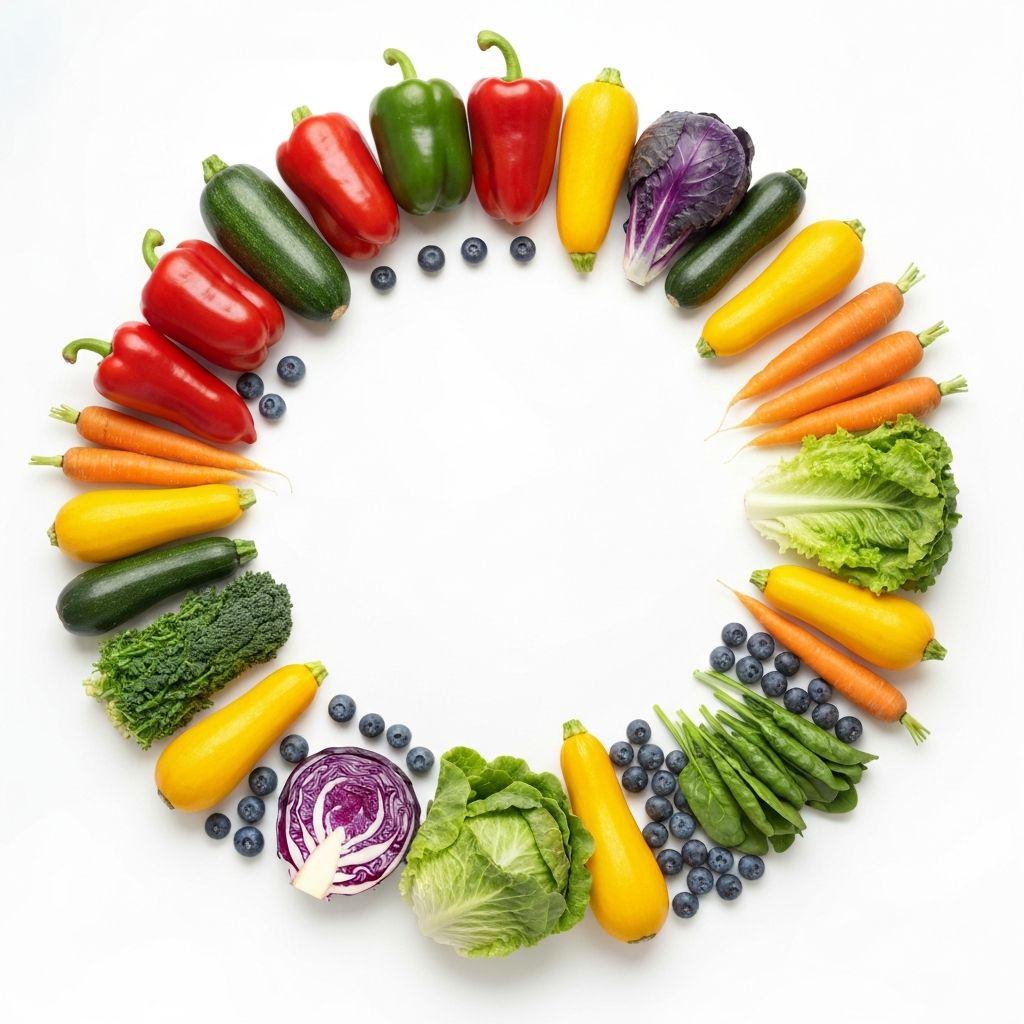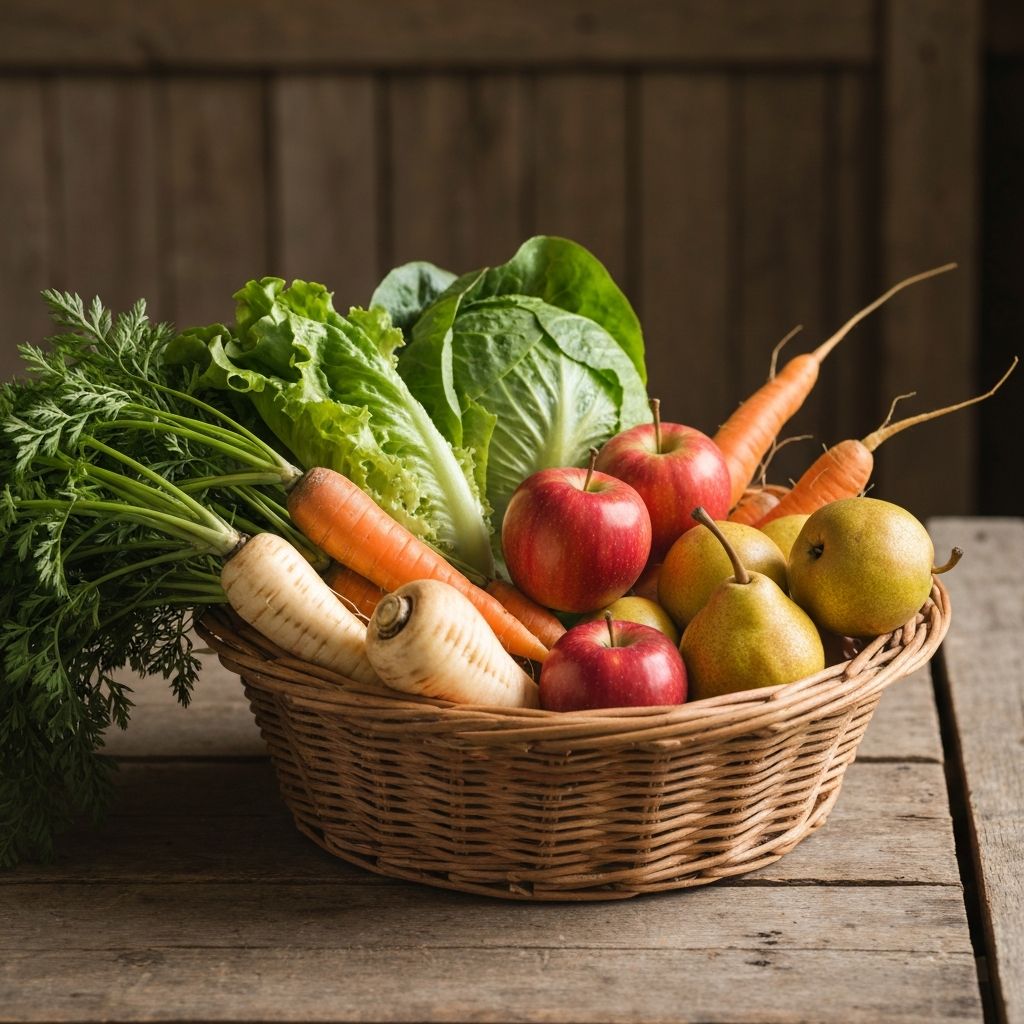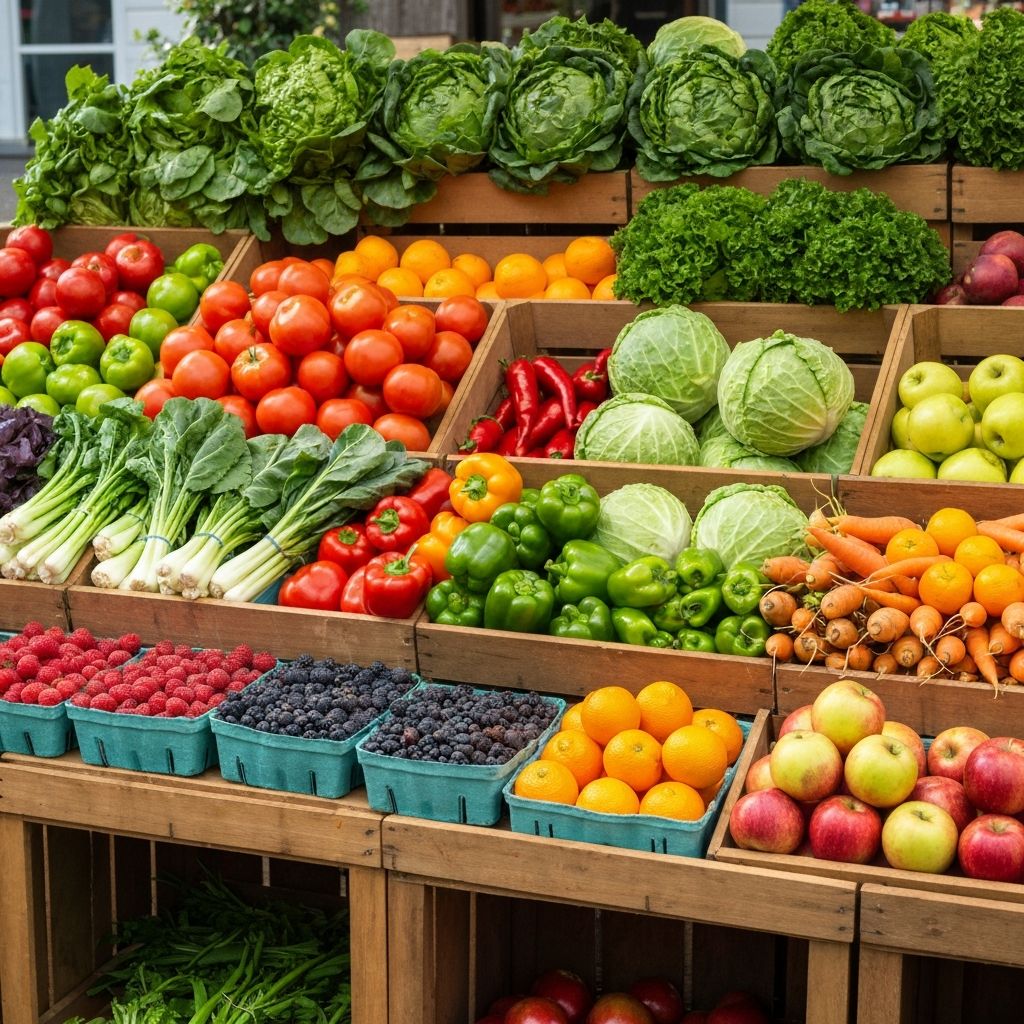
Fresh market vegetables and fruits

Overview of Common Vitamins and Natural Food Sources

Educational content only. No medical services. No promises of outcomes.

This resource provides general information about vitamins, minerals, and their presence in everyday foods. Content is informational and does not replace individual nutritional decisions or professional consultation.


Common Nutrients Overview

Vitamins and minerals are naturally occurring compounds found in various foods. They play different roles in supporting normal body functions. The most commonly discussed nutrients in everyday nutrition conversations include vitamin D, vitamin C, B-complex vitamins, zinc, magnesium, and selenium.

Each nutrient has its own characteristics and is present in different food groups. Understanding where these nutrients naturally occur can help in making informed dietary choices based on personal preferences and lifestyle.

Various nutrient-rich foods

Natural Sources in Food

Different vitamins and minerals are found in various food categories. Below is a general overview of where these nutrients commonly appear in everyday diets.

Fresh fish rich in omega-3

Vitamin D and Omega-3

Fatty fish such as salmon, mackerel, and sardines contain vitamin D and omega-3 fatty acids. Egg yolks and fortified dairy products also provide vitamin D in varying amounts.

Assorted nuts and seeds

Zinc and Magnesium

Nuts, seeds, whole grains, and legumes are common sources of zinc and magnesium. Pumpkin seeds, almonds, and cashews are frequently mentioned in nutritional discussions.

B-Complex Vitamins

B vitamins are found in a wide range of foods including leafy greens, beans, eggs, and whole grains. Different B vitamins serve various functions in daily metabolism.

Vitamin C and Antioxidants

Citrus fruits, berries, bell peppers, and broccoli contain vitamin C. These foods are commonly incorporated into balanced eating patterns.

Role in Daily Diet

Balanced meal with vegetables

Nutrients contribute to various everyday bodily functions. Vitamin D supports bone health, B vitamins assist in energy metabolism, vitamin C is involved in immune function, and minerals like zinc and magnesium participate in numerous biochemical processes.

A varied diet that includes different food groups generally provides a range of nutrients. Individual needs may vary based on age, lifestyle, and dietary preferences.

Myths and Real Facts

Common Misconceptions

There are many popular beliefs about vitamins and food. Some people assume that more is always better, but research shows that balance matters more than quantity. Another common myth is that supplements can fully replace whole foods, though whole foods provide a complex matrix of nutrients and compounds.

Variety of fresh foods

What Research Generally Shows

Scientific literature suggests that obtaining nutrients from whole food sources is generally preferred when possible. The bioavailability and interaction of nutrients within whole foods differ from isolated compounds. Context, preparation methods, and individual digestion also influence how nutrients are absorbed.

Typical Eating Habits

Eating patterns vary widely across different cultures and regions. In Czech Republic and Central Europe, traditional diets often include dairy products, whole grains, root vegetables, and seasonal fruits. Fish consumption varies by proximity to water sources and personal preference.

Modern eating habits have evolved with increased availability of diverse food options. Some individuals focus on plant-based sources, while others include animal products in their daily meals. There is no single correct approach to eating, and preferences are highly individual.

Local seasonal produce

General Research Notes

Nutritional science is an evolving field with ongoing research. Studies examine how different nutrients function in the body, their interactions, and their presence in various foods. Research methods include observational studies, controlled trials, and biochemical analysis.

Scientific consensus can shift as new evidence emerges. What was once considered definitive may be refined or updated based on new findings. This is why nutritional information should be viewed as general knowledge rather than absolute rules.

Reading about nutrition helps build awareness of food choices, but individual circumstances vary significantly. Factors such as genetics, activity level, existing health status, and environmental conditions all play roles in how nutrients are utilized.

Limitations and Context

This website provides general educational information about vitamins and minerals found in everyday foods. The content is not personalized nutritional advice and does not consider individual health conditions, dietary needs, or personal circumstances.

Information presented here reflects general scientific knowledge and common nutritional discussions. It does not constitute medical recommendations, treatment plans, or health interventions. Nutritional approaches vary widely, and what works for one person may not suit another.

If you have specific health concerns or dietary requirements, consult with qualified professionals who can provide personalized guidance based on your individual situation.

Continue Learning

Explore additional informational summaries about everyday nutrition topics.

Learn additional facts